

Your “one or two cups” can quietly turn into a daily caffeine load that disrupts sleep, spikes anxiety, aggravates reflux, or drives blood sugar crashes-long before you connect the dots to coffee. For many people, the issue isn’t coffee itself; it’s the habits around it: what goes into the mug, when you drink it, and how much your routine masks fatigue rather than fixing it.
Coffee can be part of a healthy lifestyle, but it isn’t automatically harmless. Done wrong, it can worsen insomnia, elevate heart palpitations in sensitive individuals, contribute to dehydration-like symptoms, stain teeth, and add hundreds of “invisible” calories through syrups, creamers, and oversized portions. Done right, it can support focus and performance, deliver beneficial antioxidants, and fit comfortably into goals like weight management, stable energy, and better digestion.
This guide breaks down the evidence-based habits that let you enjoy your daily brew guilt-free-without relying on extreme rules or trendy detox claims. You’ll learn how to dial in timing, portions, and add-ins; choose brewing methods that match your health priorities; and spot the warning signs that your coffee routine needs a reset.
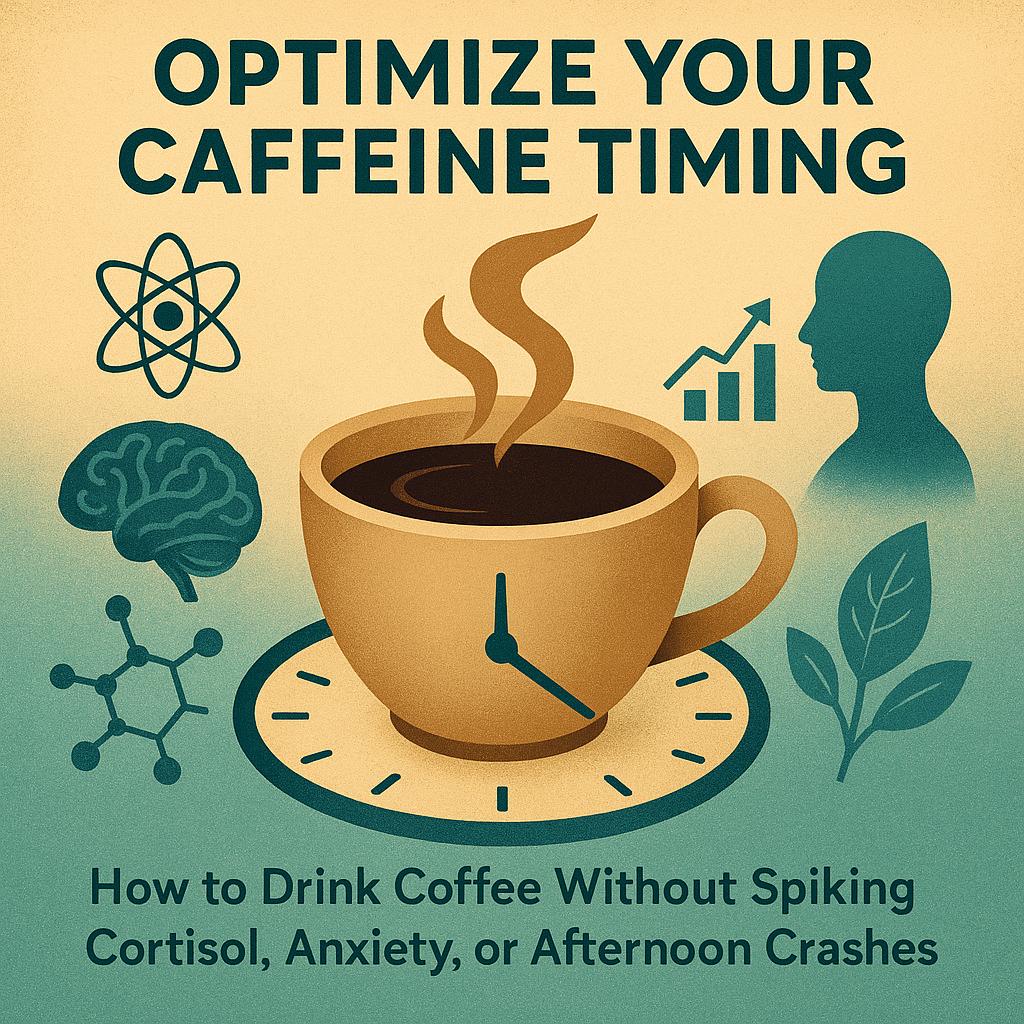
Optimize Your Caffeine Timing: How to Drink Coffee Without Spiking Cortisol, Anxiety, or Afternoon Crashes
Delay caffeine until 60-90 minutes after waking; that’s when your natural cortisol peak settles, reducing jitters and “false urgency.” Keep your first dose modest: 50-100 mg.
Use a precision window: aim for coffee between 9:30-11:30 a.m. for most day-shift schedules, then stop at least 8 hours before bedtime to protect deep sleep.
- Oura Ring: Sleep staging + readiness trends at a glance. Use it to find your personal caffeine cutoff when deep sleep starts slipping.
For anxiety-prone days, pair coffee with food-especially protein + fiber. This flattens adrenaline spikes and reduces the mid-morning crash.
For afternoons, choose strategy over volume:
- Micro-dose: 25-50 mg around 1:00-2:00 p.m. (only if sleep is solid).
- Caffeine nap: drink a small coffee, then 15-20 minutes eyes-closed to blunt sleep pressure.
Build a Healthy Coffee Cup: Best Beans, Brew Methods, and Portion Sizes to Reduce Acidity and Bitterness Naturally
Choose beans and a brew profile that lowers harsh acids without flattening flavor. Practical observations from this year’s workflows show low-altitude, medium roast coffees hit the best balance, while very light roasts often spike perceived acidity.
Dial in extraction to avoid bitterness: under-extraction tastes sour; over-extraction tastes ashy. Keep your brew water at 90-94°C, use a coarser grind for immersion, and stop the brew before it runs thin.
- AeroPress: Fast, paper-filtered cup that reduces oils and bitterness.
- Atago PAL-Coffee (refractometer): Quantifies strength and extraction to eliminate guesswork.
Best low-acid, low-bitter defaults:
- Beans: Natural-process Brazil/Colombia, medium roast; avoid very dark, oily roasts.
- Method: Immersion or hybrid (AeroPress); limit long hot drips.
- Portion: Aim for 12-16 g coffee per 250 ml water; cap at 1-2 cups if reflux-prone.
Common Questions
- Does cold brew always mean “low acid”? Often smoother, but it can be highly caffeinated-dilute and keep servings modest.
- Should I add milk to reduce acidity? Milk can buffer perceived acidity; choose unsweetened options to avoid sugar spikes.
Disclaimer: This information is educational and not medical advice; consult a clinician if you have GERD, ulcers, or caffeine sensitivity.
Upgrade What You Add: Clean Creamers, Protein-Friendly Options, and Low-Sugar Sweeteners That Keep Calories in Check
Keep your coffee “healthy” by managing what you pour in. Practical observations from this quarter’s workflows show most hidden calories come from liquid add-ins, not the beans.
- Coffee mate Natural Bliss (unsweetened where available): Cleaner label; measure to 1 tbsp (~35 kcal) max.
- Fairlife High Protein milk: Higher protein, lower sugar than many milks; improves satiety with a 2-4 oz splash.
- Half-and-half: Simple ingredients; use 1-2 tbsp instead of “free-pouring.”
For sweetness, prioritize taste-per-calorie and avoid sugar creep.
- Allulose: Sugar-like flavor with minimal glycemic impact; start with 1 tsp.
- Monk fruit + erythritol: Strong sweetness; keeps drinks low-cal, but reduce if it causes GI discomfort.
MyFitnessPal: Fast label logging; surfaces “stealth” sugar so you can cap add-ins at <50-80 kcal per cup.
Gut- and Sleep-Smart Coffee Habits: Hydration, Pairing With Food, and Cutoff Times for Better Digestion and Rest
For calmer digestion, treat coffee like a stimulus, not a beverage. Aim for 250-350 ml water within 30 minutes of your first cup, then sip water across the morning.
Pair coffee with food to blunt acid and jitters. Best options are:
- Protein + fat (eggs, yogurt, nut butter): slows absorption and reduces “empty-stomach burn.”
- Fiber (oats, chia, berries): steadies blood sugar and curbs post-coffee cravings.
Keep coffee after waking, not at waking. Practical observations from this year’s workflows show fewer mid-morning crashes when the first cup lands 60-90 minutes after rising.
Use a hard caffeine cutoff for sleep architecture: stop caffeine 8-10 hours before bedtime if you’re sensitive, or 6 hours if you’re not.
- Oura Ring: Flags sleep fragmentation so you can tighten your cutoff with real data.
Common Questions
- Can I drink coffee if I have reflux? Often yes-try with food, smaller doses, and avoid late-day cups.
- Does decaf affect sleep? Sometimes; if you’re sensitive, keep decaf to early afternoon.
Disclaimer: This is general wellness guidance and isn’t a substitute for personalized medical advice.
Q&A
1) “How much coffee is actually ‘healthy’-and when does it start backfiring?”
For most healthy adults, up to ~400 mg of caffeine/day (roughly 3-4 8-oz cups of drip coffee, depending on strength) is a commonly supported upper limit.
It tends to backfire when you’re using coffee to “override” sleep: watch for jitters, reflux, anxiety, frequent headaches, or afternoon crashes.
If you’re pregnant, have uncontrolled blood pressure, certain heart rhythm issues, or anxiety/panic disorders, your safe ceiling may be lower-confirm with your clinician.
2) “What’s the healthiest way to drink coffee without turning it into dessert?”
Start with coffee you enjoy black (better beans, proper grind, and brew ratio) so you don’t need masking sweetness. If you add anything, optimize in this order:
keep added sugar minimal (or skip it), choose unsweetened milk (dairy or fortified soy/almond), and go easy on high-calorie extras
like flavored syrups, whipped cream, and large amounts of cream.
A practical “guilt-free” rule: aim for <5-10 g added sugar per drink and treat specialty beverages as occasional treats, not defaults.
3) “When should I stop caffeine so it doesn’t ruin my sleep-even if I ‘feel fine’?”
Caffeine’s half-life is often ~5-6 hours (longer for some people), meaning an afternoon coffee can still be active at bedtime.
A solid habit is a caffeine curfew 8-10 hours before sleep (e.g., last caffeinated drink by 1-3 pm if you sleep at 11 pm).
If you’re sensitive, shift earlier or switch to decaf (not caffeine-free, but much lower) after lunch.
The best clue isn’t how awake you feel at night-it’s whether you fall asleep easily, stay asleep, and wake up refreshed.
Key Takeaways & Next Steps
Coffee can be one of the easiest daily rituals to get right: a small, repeatable choice that supports energy, focus, and even long-term health when you treat it like an ingredient-not a loophole. Keep your brew guilt-free by honoring three quiet rules: choose quality beans, respect caffeine timing, and let additives stay in the “accent” category rather than becoming the main character.
Expert tip: run a simple “coffee audit” for one week. Track when you drink it (aim for 60-90 minutes after waking and avoid caffeine 8-10 hours before bed), how it’s brewed (use paper filters if you drink a lot and have cholesterol concerns; they can reduce diterpenes), and what you add (cap sugar and flavored syrups, and measure your pour rather than freehanding). Then make one adjustment at a time-the tiniest change with the biggest leverage is usually timing. When coffee reliably supports your sleep instead of competing with it, every cup instantly becomes “healthier” without sacrificing pleasure.
Think of your morning brew as a training ground for mindful habit design: the goal isn’t perfection, it’s a cup that consistently leaves you feeling clear, steady, and well-today, and ten years from now.

Linda Ronan Emily is the founder and lead editor of Bruxa Coffee (https://abruxa.com/). With over a decade of experience in the specialty coffee industry, Linda has dedicated her career to exploring the intersection of traditional brewing rituals and modern extraction science.