Many people choose coffee by reading the country name on the bag, yet the roast often makes the first and most obvious difference in the cup. It can preserve bright fruit notes, create a familiar chocolate-like balance or push the flavor toward smoke, toast and deep bitterness.
The difficult part is that roast labels are not perfectly standardized. One roaster’s medium may look similar to another company’s dark roast. The words on the package are therefore best treated as useful clues rather than exact scientific categories.
Start with the cup you already enjoy
Forget the idea that one roast is automatically more sophisticated than another. The right choice depends on how you prepare coffee, whether you add milk, how much bitterness you enjoy and which flavors you want to notice.
Choose light roast when…
You want to notice fruit, flowers, citrus, herbs or tea-like qualities that may reflect the coffee’s origin and processing.
It is especially useful for careful filter brewing and for drinkers who enjoy lively acidity.
Choose medium roast when…
You prefer a balanced cup with sweetness, body and moderate brightness rather than one dominant characteristic.
It is often the easiest starting point for households using several brewing methods.
Choose dark roast when…
You enjoy deep roast flavor, low perceived brightness, heavy body and a more pronounced bitter finish.
It can work well with milk, cream or sugar because its flavor is less likely to disappear.
What roasting actually changes
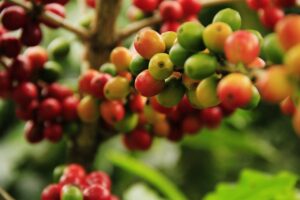
Green coffee is dense, grassy and unsuitable for normal brewing. Heat causes physical and chemical changes that develop aroma, brown the beans, reduce moisture and make them brittle enough to grind.
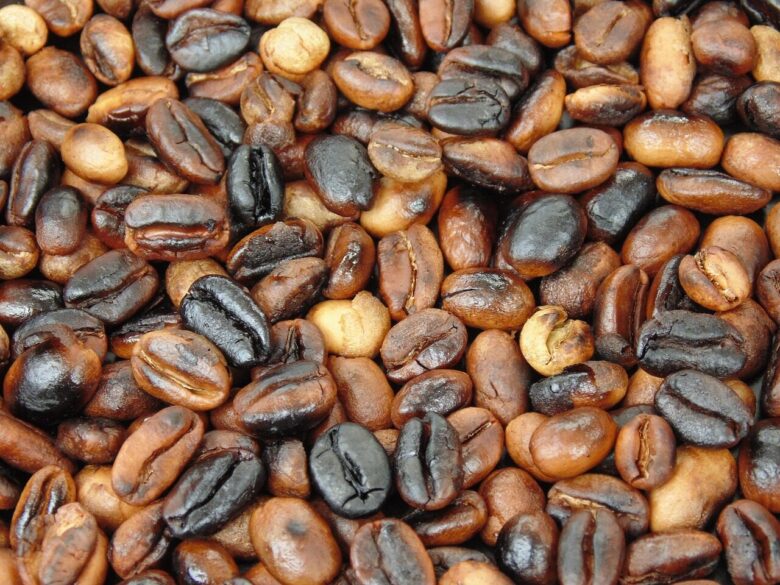
As roasting continues, the flavors created by heat become increasingly noticeable. This does not mean that dark coffee has “more flavor” in an objective sense. It means that roasted, smoky, caramelized and bitter impressions begin to cover more of the bean’s original character.
Light roast: clarity before intensity
Light roasting generally preserves more of the differences created by variety, growing conditions and processing. A washed Ethiopian coffee and a naturally processed Brazilian coffee are more likely to taste clearly distinct when the roasting style does not dominate both.
- Common impressions may include citrus, berries, flowers, honey or tea.
- The body can feel lighter and the acidity more noticeable.
- Poor extraction may taste sour, thin or sharply unfinished.
- It often benefits from an even grinder and careful brewing.
Medium roast: the flexible middle
Medium roasting usually sits between origin character and developed roast sweetness. It can retain fruit or gentle acidity while adding flavors people often describe as caramel, nuts, cocoa or toasted sugar.
- Usually easier to brew across several methods.
- Can be expressive without tasting sharply acidic.
- Often works both black and with a moderate amount of milk.
- A practical choice when several people share the same bag.
Dark roast: strength of character, not necessarily more caffeine
Dark roasting moves attention away from delicate origin notes and toward flavors created during roasting. The beans may appear deep brown, sometimes with visible surface oil, and the cup can feel heavier or more forceful.
- Typical impressions include dark chocolate, toasted nuts, smoke or char.
- Bitterness is usually more noticeable.
- It can remain recognizable in milk-based drinks.
- Very dark beans may hide both good and bad qualities of the green coffee.
A more useful comparison than “mild versus strong”
| Question | Light roast | Medium roast | Dark roast |
|---|---|---|---|
| What leads the flavor? | Origin, variety and processing | A balance of origin and roasting | Roasting and caramelization |
| What may stand out? | Fruit, flowers, citrus and tea | Caramel, nuts, cocoa and gentle fruit | Toast, dark chocolate, smoke and bitterness |
| How forgiving is it? | Less forgiving when under-extracted | Usually the easiest to adjust | Can become harsh when brewed too aggressively |
| Does it work with milk? | Small amounts are usually best | Works with or without milk | Usually remains noticeable through milk |
| Who may dislike it? | People sensitive to bright acidity | People seeking an extreme flavor | People who dislike bitterness or smoky notes |
Match the roast to your brewing method
There is no rule that limits a particular roast to one brewer. Still, some combinations are easier to enjoy on the first attempt.
Paper filtration and controlled pouring can highlight clarity, fruit and gentle sweetness.
The metal filter keeps more oils and texture, which suits rounded and deeper flavor profiles.
Light espresso can be rewarding but often requires more careful grinding and temperature control.
The concentrated brew works well with chocolate-like and roast-led coffees, especially with milk.
A balanced roast is usually more forgiving when the machine offers limited control.
It provides body and sweetness without making the drink automatically smoky or overly bitter.
A fair three-cup test you can run at home
Comparing random bags prepared with different recipes does not tell you much about roast level. For a more useful experiment, buy three coffees from the same roaster, ideally from the same origin or blend family, in light, medium and dark versions.
| Observation | Cup A | Cup B | Cup C |
|---|---|---|---|
| Sweetness from 1 to 5 | ___ | ___ | ___ |
| Brightness from 1 to 5 | ___ | ___ | ___ |
| Bitterness from 1 to 5 | ___ | ___ | ___ |
| Body from 1 to 5 | ___ | ___ | ___ |
| Would you drink it again? | ___ | ___ | ___ |
Find a sensible starting roast
Answer the three questions below. The result is a starting point, not a permanent rule.
Read the whole bag, not only the roast label
Roast level is only one part of the buying decision. Two light roasts can taste dramatically different, while a carefully developed dark roast may be smoother than a poorly handled medium roast.
There is no final roast level
Your preferred roast may change with the brewer, season and occasion. A bright light roast may be ideal on a quiet morning, while a medium espresso works better during the week and a darker coffee feels right in a milk drink after dinner.
Begin with medium roast when you are uncertain. Move lighter when you want more origin character and livelier flavors. Move darker when you want more roast character, bitterness and strength through milk. After that, let your own tasting notes guide the next bag.
Sources and editorial notes
- Specialty Coffee Association — What Color Is Your Coffee? Discussion of roast-color measurement, commercial roast categories and the lack of universally adopted descriptions.
- United States Department of Agriculture — Commercial Item Description for Coffee Technical descriptions of light, medium, moderately dark and dark roast shades, including color and surface characteristics.
The Bruxa Coffee editorial team creates practical guides, brewing resources and interactive coffee tools designed to help readers brew better coffee at home. Our content focuses on clear explanations, reliable information and hands-on brewing knowledge for coffee enthusiasts of all experience levels.