The Journey of the Coffee Bean: From the Farm to Your Morning Cup

coffee, tree, nature, yellow, bean, growing, plantation, sunset, farm, harvest, courtyard

A sweet, aromatic cup begins long before coffee reaches the grinder.

Variety, climate, harvest ripeness, processing, drying, storage, transportation and roasting all influence the flavors available during brewing. A good coffee maker cannot restore aromas that were lost because of poorly dried beans, excessive humidity, careless storage or an unsuitable roast.

Brewing technique still matters, but it is only the final step in a much longer chain. When a coffee consistently tastes flat, woody, overly fermented or unpleasantly bitter, the cause may already be present in the beans.

Understanding the coffee journey makes it easier to read labels, compare bags, recognize quality and avoid blaming equipment for problems that began before the coffee reached your home.

This guide follows coffee from cultivation and harvesting through processing, export, roasting, packaging and brewing.

The Coffee Journey at a Glance

Stage Main Decisions Possible Effect on Flavor
Farming Variety, shade, soil management and plant health Flavor potential, sweetness and bean development
Harvesting Cherry ripeness and defect removal Sweetness, consistency and fermentation quality
Processing Washed, natural, honey or experimental methods Clarity, fruit intensity, body and aroma
Drying Speed, airflow, temperature and uniformity Stability, cleanliness and risk of defects
Storage and export Humidity, packaging and temperature control Freshness of green coffee and protection from odors
Roasting Heat application, development and final roast level Acidity, sweetness, body and roast-driven flavors
Home storage Air, heat, light and moisture exposure Loss of aroma and increased staleness
Brewing Grind, ratio, temperature, time and water How much of the available flavor reaches the cup

Coffee Begins as a Fruit

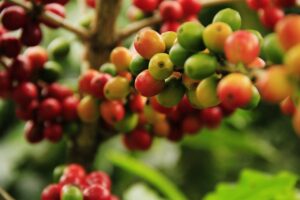
Coffee beans are the seeds found inside coffee cherries.

During maturation, the fruit develops sugars, acids and aromatic precursors that later influence the roasted coffee. The quality of the final cup therefore depends partly on whether the cherries reached an appropriate level of ripeness before harvesting.

Cherries harvested too early may contribute to:

  • Sharp or grassy flavors
  • Lower sweetness
  • Peanut-like characteristics
  • Uneven roasting

Overripe or damaged cherries may create:

  • Uncontrolled fermentation
  • Alcoholic or vinegary flavors
  • Mold-related defects
  • Inconsistent drying

Not every green or dark cherry automatically creates a defect, but greater ripeness consistency usually gives producers more control over processing and drying.

How Growing Conditions Influence Coffee

Coffee flavor is influenced by the interaction of genetics, environment and farm management.

Important factors include:

  • Coffee species and variety
  • Temperature
  • Elevation
  • Rainfall
  • Sun and shade exposure
  • Soil structure
  • Plant nutrition
  • Water availability
  • Pest and disease pressure

No single factor determines quality by itself.

A high-altitude label does not guarantee complex coffee. A lower-elevation farm can produce excellent beans when its variety, climate, harvesting and processing are well matched.

Does Higher Altitude Always Mean Better Coffee?

Higher elevations often provide cooler conditions. Cooler temperatures can slow fruit development, potentially allowing more time for sugars, acids and aromatic compounds to form.

This is one reason high-elevation coffees are frequently associated with dense beans, bright acidity and complex flavors.

However, altitude alone is not a quality score.

Its effect depends on:

  • Latitude
  • Daily temperature range
  • Coffee variety
  • Shade
  • Rainfall
  • Soil management
  • Harvesting and processing quality

A poorly processed high-altitude coffee can taste worse than a carefully produced coffee grown lower down.

The Role of Coffee Variety

Coffee varieties have different agricultural and sensory potential.

Some may be valued for:

  • Flavor complexity
  • High productivity
  • Disease resistance
  • Drought tolerance
  • Adaptation to a particular climate

Well-known Arabica varieties include:

  • Bourbon
  • Typica
  • Caturra
  • Castillo
  • SL28
  • Gesha

Variety creates potential, not a guaranteed flavor. A famous variety that is harvested poorly or dried carelessly will not automatically produce excellent coffee.

Does Soil Determine Coffee Flavor?

Soil supports plant nutrition, root development, drainage and water availability.

It can influence how successfully the coffee plant grows, but statements such as “volcanic soil always creates sweetness” are overly simplistic.

The plant responds to the complete growing environment, including:

  • Available nutrients
  • Soil drainage
  • Organic matter
  • Microbial activity
  • Root depth
  • Rainfall and irrigation

Soil type should be considered together with climate, variety and farm management rather than used as a direct flavor prediction.

Harvesting Coffee for Quality

Coffee can be harvested manually, mechanically or through a combination of methods.

Selective hand-picking allows workers to choose ripe cherries individually. It is common in mountainous regions where machines cannot operate easily.

Mechanical harvesting can collect cherries at different stages of ripeness, but modern sorting and well-timed harvesting can still produce high-quality lots.

The important objective is to separate:

  • Ripe cherries
  • Underripe fruit
  • Overripe fruit
  • Insect-damaged cherries
  • Foreign material

The method matters less than how accurately the harvest is managed and sorted.

What Happens Immediately After Harvest?

Once cherries are picked, they continue undergoing biological and chemical changes.

Producers generally try to begin the planned processing method promptly or hold the cherries under controlled conditions.

Leaving freshly harvested coffee in hot, tightly packed sacks for too long may encourage uneven fermentation and temperature buildup.

Good practices may include:

  • Keeping cherries shaded
  • Avoiding excessive compression
  • Using clean collection containers
  • Removing damaged fruit
  • Monitoring time and temperature
  • Beginning processing according to a defined plan

There is no universal six-hour rule for every farm or processing method. Some producers intentionally extend cherry fermentation under controlled conditions.

Floating and Sorting Coffee Cherries

Some producers place harvested cherries in water before processing.

Low-density cherries, dried fruit and foreign material may float, while denser cherries often sink.

Floating can help with initial separation, but it does not identify every defect. Some good cherries may float, and some defective ones may sink.

Quality sorting can also include:

  • Visual selection
  • Density sorting
  • Screen-size grading
  • Color sorting
  • Manual inspection

Washed Coffee Processing

In washed processing, the skin and much of the fruit are removed before the coffee is fully dried.

A typical process may include:

  1. Sorting the cherries
  2. Removing the skin and pulp
  3. Fermenting or mechanically removing the mucilage
  4. Washing the beans
  5. Drying the parchment coffee

Fermentation time varies according to temperature, elevation, equipment and the producer’s method.

When handled well, washed coffees often show:

  • Clear acidity
  • Distinct aromas
  • A clean finish
  • Greater separation between flavor notes

Washed processing does not guarantee cleanliness. Excessive fermentation, contaminated water or poor drying can still create defects.

Natural Coffee Processing

In natural processing, the coffee cherries are dried with the fruit surrounding the seeds.

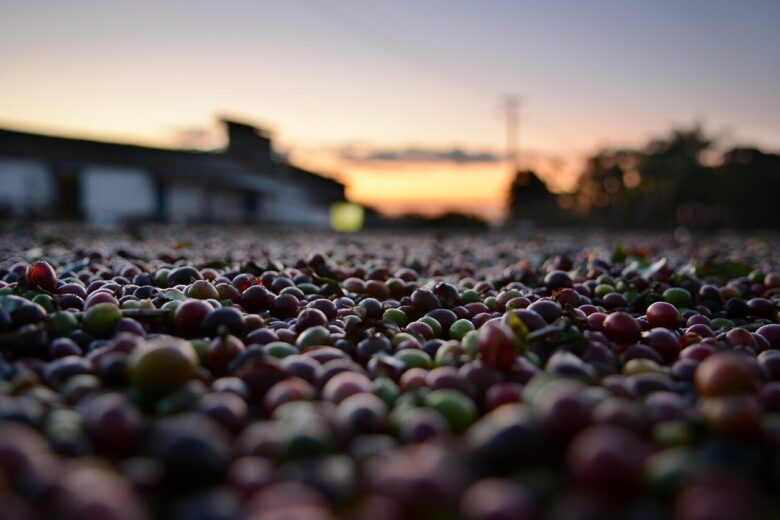
The cherries may be dried on:

  • Raised beds
  • Patios
  • Mechanical dryers
  • A combination of drying systems

During drying, the fruit can influence sweetness, aroma, body and fermentation character.

Well-produced natural coffees may offer:

  • Berry flavors
  • Ripe fruit aromas
  • Wine-like characteristics
  • Greater body
  • High perceived sweetness

Poorly controlled naturals may develop:

  • Mold
  • Rotten-fruit flavors
  • Strong alcoholic notes
  • Uneven fermentation
  • Unpleasant medicinal characteristics

Natural processing is not automatically less clean or lower quality. It simply requires careful drying and sorting.

Honey and Pulped-Natural Processing

In honey or pulped-natural processing, the cherry skin is removed while some mucilage remains around the seed during drying.

The amount of mucilage, drying speed and producer terminology vary considerably.

These coffees may combine characteristics associated with washed and natural processing, such as:

  • Caramel sweetness
  • Rounded acidity
  • Stone-fruit flavors
  • Medium to full body
  • A relatively clean finish

Terms such as yellow, red or black honey are used differently between countries and producers. They should not be treated as universal technical standards.

Experimental and Controlled Fermentation

Some producers use controlled fermentation techniques to create distinctive flavor profiles.

Examples include:

  • Anaerobic fermentation
  • Carbonic maceration-inspired methods
  • Extended fermentation
  • Temperature-controlled fermentation
  • Yeast-inoculated fermentation

These methods can create intense fruit, spice, floral or fermentation-driven aromas.

Experimental processing is not automatically better. Poorly controlled fermentation can produce defects, while an intense flavor profile may not appeal to every drinker.

Why Drying Is Critical

Drying stabilizes coffee for storage and transportation.

If coffee dries too slowly under humid conditions, it may develop mold, unwanted fermentation or musty flavors.

If it dries too quickly or at excessive temperatures, the beans may dry unevenly or become less stable during storage.

Important drying variables include:

  • Temperature
  • Airflow
  • Layer thickness
  • Humidity
  • Turning frequency
  • Time
  • Final moisture distribution

Producers commonly aim for green coffee moisture around 10–12%, although exact specifications depend on the buyer, storage conditions and measurement method.

Moisture percentage should not be evaluated alone. Water activity and uniformity also influence stability.

Common Drying Defects

Drying Problem Possible Result
Uneven drying Inconsistent roasting and flavor
Excessive moisture Mold risk and unstable storage
Excessive heat Faded, baked or damaged flavors
Contact with smoke Smoky or contaminated aroma
Poor airflow Fermentation and musty characteristics
Dirty drying surfaces Foreign odors and contamination

Resting and Milling Green Coffee

After drying, coffee is often rested before final milling and export.

Washed coffees commonly remain protected by a dry parchment layer during this period. Natural coffees retain a dried fruit shell until hulling.

Resting can help moisture become more evenly distributed within the lot.

During dry milling, the protective layers are removed and the green coffee may be:

  • Sorted by size
  • Separated by density
  • Inspected for color
  • Evaluated for defects
  • Prepared according to buyer specifications

Screen size does not directly measure flavor quality. It mainly supports consistency during grading and roasting.

How Coffee Is Graded

Coffee grading systems differ between countries and buyers.

Evaluation may include:

  • Physical defect count
  • Bean size
  • Moisture
  • Density
  • Cup quality
  • Origin documentation

Cupping is a standardized tasting process used to evaluate aroma, flavor, acidity, sweetness, body, balance and defects.

A numerical score can help buyers compare coffees, but it does not guarantee that every consumer will prefer the highest-scoring lot.

Exporting Coffee Without Losing Quality

Green coffee may travel for weeks or months between producing countries and roasters.

During transportation, it can be exposed to:

  • Heat
  • Humidity
  • Condensation
  • Odors
  • Long storage periods

Protective liners and suitable storage conditions can reduce moisture exchange and contamination.

Green coffee should not be stored near strongly scented products because it can absorb odors.

Even well-produced coffee can lose clarity and freshness when kept in hot or humid conditions for extended periods.

How Long Does Green Coffee Stay Fresh?

There is no exact lifespan that applies to every green coffee.

Quality depends on:

  • Initial moisture and water activity
  • Packaging
  • Storage temperature
  • Humidity
  • Processing method
  • Bean density
  • Transportation conditions

Properly stored green coffee can remain usable for many months, but its sensory profile gradually changes.

Older green coffee may develop flavors described as:

  • Woody
  • Paper-like
  • Baggy
  • Muted
  • Dry

The newest harvest is not automatically the best, but clear harvest information helps buyers understand the coffee’s age.

What Roasting Does to Coffee

Green coffee has little resemblance to the beverage aroma most people recognize.

During roasting, heat triggers chemical and physical changes that develop:

  • Aroma
  • Sweetness
  • Acidity
  • Bitterness
  • Color
  • Solubility
  • Body

The roaster must consider:

  • Bean size
  • Density
  • Moisture
  • Processing method
  • Variety
  • Desired flavor profile

Roasting cannot remove every agricultural or processing defect. It can hide some characteristics through darker development, but the underlying quality of the green coffee still matters.

Light, Medium and Dark Roasting

Light roast

Light roasting generally preserves more acidity, floral aromas, fruit characteristics and origin identity.

It also produces a denser and less soluble bean that may require more careful brewing.

Medium roast

Medium roasting often balances origin character with greater caramelization, sweetness and body.

It is commonly suitable for several brewing methods.

Dark roast

Dark roasting emphasizes smoke, bitterness, toasted sugar and dark chocolate.

At very dark levels, differences between farms, varieties and processing methods become harder to identify.

Explore roast styles with our Coffee Roast Finder.

Common Roasting Defects

Possible roasting problems include:

  • Scorching: Burned marks caused by excessive surface heat
  • Tipping: Darkened bean tips caused by aggressive heat
  • Underdevelopment: Grassy, cereal-like or peanut characteristics
  • Baked flavor: Flat, dull flavor associated with an unsuitable heat progression
  • Excessive roast character: Smoke and carbon masking the coffee

These descriptions can overlap with defects created earlier in the supply chain. Proper diagnosis often requires evaluating both the green coffee and the roast profile.

Why Freshly Roasted Coffee Needs to Rest

Coffee releases carbon dioxide after roasting.

Brewing immediately can sometimes create excessive bubbling and uneven extraction, particularly in espresso and pour-over methods.

The ideal rest period varies according to:

  • Roast level
  • Bean density
  • Packaging
  • Brewing method
  • Roaster recommendations

Some coffees taste ready after a few days. Dense light roasts, especially for espresso, may improve after a longer rest.

There is no universal three-to-ten-day peak for every coffee.

Does Coffee Expire After a Few Weeks?

Roasted coffee does not suddenly become unusable on one exact date.

Its aroma and flavor gradually decline as it is exposed to oxygen, heat and moisture.

A coffee may remain pleasant for several weeks while becoming less vibrant than it was earlier.

Signs of staling include:

  • Weak aroma
  • Cardboard-like flavor
  • Flat sweetness
  • Woody aftertaste
  • Reduced crema in espresso

Judge freshness by aroma and flavor rather than relying on one rigid calendar rule.

Why Pre-Ground Coffee Changes Faster

Grinding dramatically increases the surface area exposed to air.

This causes aromatic compounds to escape more quickly and makes the coffee more vulnerable to oxidation.

Pre-ground coffee may still be convenient and enjoyable, especially when packaged well, but whole beans generally preserve aroma for longer.

For better results:

  • Buy whole beans when practical.
  • Grind immediately before brewing.
  • Keep the package closed between uses.
  • Avoid storing coffee near heat or moisture.

How to Store Coffee at Home

The main enemies of roasted coffee are:

  • Oxygen
  • Heat
  • Moisture
  • Direct light
  • Strong odors

A practical storage method is to keep coffee in its original resealable bag or an appropriate airtight container inside a cool, dry cabinet.

Avoid keeping the daily coffee supply:

  • Above the stove
  • Beside an oven
  • In direct sunlight
  • Inside a humid refrigerator
  • In an open grinder hopper for long periods

Can Coffee Be Frozen?

Freezing can help preserve coffee for longer periods when done carefully.

Divide the coffee into airtight portions before freezing. Remove only the amount needed and allow the sealed portion to reach room temperature before opening it.

This reduces the risk of condensation forming on cold beans.

Repeatedly opening and returning the same package to the freezer is less effective because it introduces air and moisture.

Brewing Reveals What Is Already in the Bean

Brewing controls how much of the coffee’s available flavor reaches the cup.

The main variables are:

  • Coffee dose
  • Water amount
  • Grind size
  • Water temperature
  • Contact time
  • Agitation
  • Water composition

A good recipe can reveal sweetness and clarity, but it cannot create floral aroma in coffee that lost those compounds during storage.

Use our Coffee Brewing Calculator to create a starting recipe.

How Roast Level Changes Brewing

Light-roasted coffee is generally denser and less soluble. It may benefit from:

  • Hotter water
  • A finer grind
  • Longer contact time
  • Greater agitation

Dark-roasted coffee is generally more porous and soluble. It may benefit from:

  • Cooler water
  • A coarser grind
  • Shorter contact time
  • Less agitation

These are starting points. Taste should determine the final adjustment.

How Water Influences the Final Cup

Water can improve or hide the work completed throughout the supply chain.

Very high alkalinity may flatten acidity. Excessive hardness can create chalky flavors and scale. Water with almost no minerals may produce a thin or sharp cup.

Chlorine and strong odors can also mask delicate coffee aromas.

Use clean, safe and moderately mineralized water. Do not rely only on a TDS reading because it does not identify which minerals are present.

How to Read a Coffee Bag

A useful label may include:

  • Country
  • Region
  • Farm, cooperative or washing station
  • Coffee variety
  • Processing method
  • Elevation
  • Roast level
  • Roast date
  • Flavor descriptions

More information does not guarantee better coffee, but it improves traceability and helps you understand what you are purchasing.

Which Label Details Matter Most?

Roast date

Shows when the coffee was roasted and helps you evaluate freshness.

Processing method

Provides clues about body, clarity, fruit intensity and fermentation character.

Origin and producer

Improves traceability and makes it easier to find similar coffees later.

Variety

Provides information about genetic potential, although it cannot predict flavor alone.

Flavor notes

Describe what the coffee reminded tasters of. They normally do not indicate added flavoring.

Common Supply-Chain Defects

Flavor Problem Possible Cause
Moldy or musty Poor drying, moisture exposure or contaminated storage
Strongly fermented Uncontrolled fermentation or damaged fruit
Woody or baggy Aged green coffee or unsuitable storage
Smoky Drying contamination or dark roasting
Grassy or peanut-like Underripe coffee or underdeveloped roasting
Flat and dull Staling, baked roasting, unsuitable water or low extraction
Harsh and bitter Dark roasting, over-extraction, defects or dirty equipment

One flavor does not always identify one cause. Several problems can produce similar sensory results.

How to Diagnose a Disappointing Coffee

  1. Check the roast date and storage conditions.
  2. Smell the whole beans before grinding.
  3. Clean the grinder and brewing equipment.
  4. Use clean-tasting water.
  5. Measure the coffee and water.
  6. Confirm the grind is appropriate.
  7. Change only one brewing variable.
  8. Try a second brewing method when practical.
  9. Compare with another coffee using the same equipment.

If different recipes produce the same moldy, woody or strongly fermented flavor, the characteristic may already be present in the coffee.

How to Make Better Buying Decisions

Look for coffee that provides clear information and matches your preferences.

Before buying, consider:

  • Is there a roast date?
  • Is the origin identified?
  • Is the processing method listed?
  • Does the roast level suit your brewer?
  • Do the flavor notes appeal to you?
  • Is the package size appropriate for your consumption?
  • Has the coffee been stored away from excessive heat?

An expensive coffee is not automatically suitable for your taste or equipment.

Does Better Traceability Mean Better Coffee?

Traceability provides information about where the coffee came from and how it was produced.

It does not guarantee that the coffee will taste excellent, but it can support:

  • Greater accountability
  • More precise quality evaluation
  • Long-term producer relationships
  • Separation of distinctive lots
  • More informed purchasing

A coffee with detailed traceability can still be roasted poorly. A less detailed regional blend can still taste excellent.

Frequently Asked Questions

Why can coffees from the same country taste different?

Country is only a broad origin. Region, farm, altitude, variety, processing, harvest, roasting and brewing all influence flavor. Two coffees from the same country can have very different sensory profiles.

What happens between harvesting and roasting?

The cherries are processed, dried, rested, hulled, sorted, graded, packed, exported and stored. Every stage can preserve quality or introduce defects.

Which processing method is best?

No processing method is universally best. Washed coffees often emphasize clarity, naturals may provide fruit and body, and honey coffees can balance sweetness and cleanliness. Execution matters more than the name alone.

Is high-altitude coffee always better?

No. High elevation can support slower maturation and dense beans, but quality also depends on variety, climate, harvesting, processing and storage.

Why does natural coffee sometimes taste fermented?

The fruit remains around the seed during drying. If fermentation and drying are not controlled carefully, the coffee may develop strong alcoholic, vinegary or overripe-fruit characteristics.

Why does freshly roasted coffee sometimes taste unstable?

Coffee releases carbon dioxide after roasting. Excess gas can interfere with even extraction, particularly in espresso and pour-over brewing. Some rest may improve consistency.

How long should coffee rest after roasting?

There is no universal period. Some coffees perform well after a few days, while dense light roasts or espresso coffees may benefit from a longer rest. Follow the roaster’s guidance and evaluate by taste.

How long do green coffee beans remain good?

Properly stored green coffee can remain usable for many months, but flavor gradually changes. Packaging, temperature, humidity, processing and initial quality all influence its lifespan.

Why does locally roasted coffee sometimes taste stale?

Local roasting does not guarantee recent roasting or correct storage. The coffee may also taste flat because of unsuitable water, an incorrect grind, dirty equipment or an inappropriate recipe.

Does pre-ground coffee become stale immediately?

No, but it loses aromatic compounds faster than whole-bean coffee because more surface area is exposed to air. Suitable packaging can slow this process.

What is the most important stage for coffee quality?

There is no single stage that can guarantee quality. Coffee is a chain. Good farming can be damaged by poor drying, and excellent roasting can be hidden by stale storage or incorrect brewing.

Can brewing fix a low-quality coffee?

Brewing adjustments can improve extraction, strength and balance, but they cannot remove mold, restore lost aroma or completely eliminate defects created earlier.

Why do specialty coffees cost more?

The price may reflect selective harvesting, smaller lots, careful processing, traceability, quality control, protective packaging, higher green-coffee prices and small-batch roasting. Price does not guarantee preference or quality.

Final Thoughts

The flavor in your cup is the result of decisions made across an entire supply chain.

Variety and environment create potential. Harvesting determines which cherries enter the lot. Processing and drying influence cleanliness, sweetness and aroma. Storage protects the green coffee. Roasting develops its flavor, and brewing determines how effectively that flavor is extracted.

No stage can fully compensate for serious problems created earlier.

Better buying starts with clear information. Look for origin, processing method, roast level and roast date. Store the beans carefully, use good water and change one brewing variable at a time.

Understanding the journey from farm to cup will not make every coffee perfect, but it will make disappointing results easier to diagnose and excellent coffee easier to appreciate.

Learn more about the two main commercial coffee species in our guide to Arabica vs. Robusta Coffee.

Editorial note: Farming, processing, moisture, freshness and brewing recommendations in this guide are practical references. Exact requirements vary according to origin, climate, coffee species, equipment, storage conditions and buyer standards.